ClevrChat with Ant Morse - Episode 1 - The Future of AI: Myths and Realities
Summary
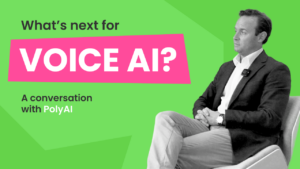
In the first episode of Clevr Chat, CloudClevr speaks with AI strategist and futurist Ant Morse, Founder and Fractional Head of AI at Adventa, to separate the reality of AI from the headlines.
Rather than focusing on fear or speculation, the conversation explores how organisations can adopt AI in a practical, responsible way. Ant explains why AI isn’t simply about replacing people, but about augmenting teams, improving customer experiences and helping employees spend less time on repetitive work and more time delivering value.
The discussion covers some of the biggest questions organisations are asking today, including:
- Will AI replace jobs, or create new opportunities?
- How can businesses overcome employee resistance to AI?
- What role will AI play in contact centres and customer experience?
- Why is good data the foundation of every successful AI project?
- Should SMEs build their own AI solutions or use AI already built into platforms like Microsoft Copilot?
- How can organisations identify AI projects that deliver genuine business value?
- What are the biggest risks businesses need to prepare for as AI adoption accelerates?
Ant also shares practical advice on mapping business processes, identifying opportunities for AI, improving data quality and creating an AI roadmap that aligns with business objectives rather than following the latest trend.
Whether you’re just starting to explore AI or looking to move beyond experimentation, this episode provides a realistic framework for implementing AI successfully while bringing your people along the journey.
Watch the full episode to discover how to prepare your organisation for AI adoption with confidence.
Timestamps
0:00 Welcome to ClevrChat
1:34 Common AI Misconceptions
6:43 Importance of change management in AI implementation
10:49 The future of AI in contact centres
20:42 Importance of data quality in AI
25:31 Real-life AI use cases for small and medium-sized organisations
34:12 The future of AI
35:37 Potential dangers of AI
37:14 Advice for implementing AI in organisations
Key takeaways
AI should enhance people, not replace them
The biggest opportunity for AI lies in augmenting employees by automating repetitive tasks, allowing teams to focus on higher-value work, customer relationships and innovation.
Start with business problems, not AI tools
Successful AI adoption begins by identifying business challenges and opportunities, not by implementing AI for AI’s sake.
Build an AI adoption roadmap
Map your business processes, identify repetitive tasks and prioritise AI initiatives that offer the greatest business impact and return on investment.
Data is the foundation of every AI project
Before implementing AI, organisations should understand where their data resides, improve data quality, remove duplication and establish strong governance practices.
Bring employees on the AI journey
Change management is critical. Involving employees in identifying AI opportunities helps reduce resistance, improves adoption and uncovers valuable ideas from those closest to the work.
AI will transform customer experience
Rather than replacing contact centre teams, AI can automate routine enquiries, provide agents with better insights and enable faster, more personalised customer support.
SMEs can benefit from AI without building their own models
Many organisations can achieve significant value by using AI capabilities already built into platforms such as Microsoft 365, while developing targeted AI solutions only where they solve specific business challenges.
Focus on measurable outcomes
Every AI initiative should have a clear business case with defined objectives, success metrics and expected ROI before moving into implementation.
AI readiness is becoming a competitive advantage
Organisations that prepare now by improving data, processes and employee skills will be better positioned to adopt new AI technologies as they emerge.
Innovation should be an ongoing process
AI adoption isn’t a one-off project. Businesses should continually review new opportunities, assess emerging technologies and refine their AI strategy as capabilities evolve.