It’s safe to say the desk phone is going extinct, or at the very least it’s endangered. Last year Cisco predicted that 75% of workstations won’t be equipped with desk phones in the future.
In a recent article, Iain Sinnott, Head of Customer Engagement at CloudClevr, discussed whether traditional PBXs and desk phones were on the way out. In a straw poll on LinkedIn, he found 78% of respondents never used a desktop phone.
“Even before Covid I used to joke that the digital natives, like my own kids, entering the workplace for the first time might joke about a phone that was ‘tied to a desk by a cable’,” he commented.
Its demise will come as little surprise as companies embrace hybrid working and workers are increasingly not tied to a single location. As well as being a practical move, it also saves on the capex for the handset as well as its ongoing power, maintenance and even cleaning costs.
The softphone has long been a way to communicate when not at the work desk, allowing users to install software and use their PC/laptop to make and receive calls as if they were in the office. But it still largely relied on just using a different computer in a different location and still being tied to a desk – just a different one.
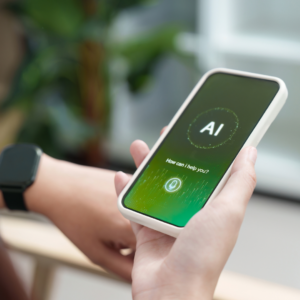
But with better than ever mobile connectivity and a wider range of contract options for businesses, the mobile handset really has the power to unlock the potential of the softphone.
Mobile phones make the softphone truly mobile
Using softphone software on mobile phones truly unlocks the promised potential of mobility and brings the existing benefits of the unified communication (UC) system to a user’s handset.
The user still has the flexibility of a mobile phone wherever they are, but organisations get all the audibility, routing, SLA monitoring and other features of the UC investment on the handset.
Leveraging your existing technologies also saves on the cost and maintenance of mobile-specific solutions such as call recording. Those costs can quickly add up when multiplied across different lines, but it’s not an issue when handled by the core UC solution.
Getting mobile data right is more important than ever
As mobile devices are becoming the future of business communications, it’s high time you treat them as a strategic priority just as much as other areas of business connectivity. Getting your mobile connectivity procurement right has never been more important.
Mobile contract purchasing can be fragmented and inefficient with too much variation to manage effectively. The opposite can also be true, where being tied to one network lacks flexibility and connectivity may be poor for that specific network in certain areas.
The third way – working with a company like CloudClevr – can provide the best of both worlds. A single point of contact and accountability, but with the ability to offer mobile connectivity from multiple providers in different flavours to your employees.
By working with a partner you can get it right for each user and can ensure:
- The data plan is right. Paying for unlimited data for everyone risks overspending. Instead, tailor data for the needs of each individual and scale their plans if needed. You can also opt for a pooled data plan, allowing multiple devices to share a data allowance across your estate.
- That the data works. Poor connectivity will frustrate users on the move. Instead, you can select an option that will roam across UK Networks and connect to the network with the strongest signal.
- That it adapts to their use. If they never travel aboard, there’s no point paying for international roaming. If they do travel, the plan needs to be cost-effective.
Some customers are dropping voice entirely, going data only. That may help save costs but also ensure that all communications go through the UC solution. Whether that’s for compliance such as call recording, or just to ensure calls are routed appropriately in someone’s absence, not having a voice plan ensures calls have one journey in and out of the business.
Mobile security shouldn’t be an afterthought
Despite employees increasingly relying on their mobile phones, organisations are not placing the right level of importance on mobile security. Your team is carrying a device that’s connected to your corporate systems. They are as vulnerable as your laptops, if not more, and could potentially be exposed to phishing attempts, malware, rogue apps and more.
Not to mention the number of mobile apps you might download on your device, each a potential source of vulnerability, often with access to your local files, contacts and more. And mobiles are often used for secondary authentication like MFA. So it’s surprising that there’s a strategic gap with most businesses: while mobile devices are central to digital strategy, they remain an afterthought in cybersecurity planning.
Comprehensive Mobile Device Management (MDM) and Mobile Threat Defence (MTD) solutions to manage and secure all your phones, apps and content against cyber threats are essential and should be a priority for organisations. Whether that’s managed by your IT team, or a partner as part of a managed services agreement, it’s important to ensure your users are protected.
The switch to softphones requires the right know-how
Rather than be a competitor to – or replacing UC – the mobile phone can instead harness the investment in the UC solution. This will provide better collaboration and happier team members and customers.
One size definitely doesn’t fit all and a partner such as CloudClevr knows the options, can remove the admin burden and help support the ongoing deployment and security of your mobile handsets – providing an opportunity for softphones to really shine.