
Shadow AI

Gain visibility and control over AI use before it becomes a security risk

Your employees are already using AI. The question is: do you know where, by who, and are they doing so securely?

Discover your blind spots before they become a risk

Supporting organisations across the UK on their journey to secure, governed AI adoption

What exactly is Shadow AI?

Employees are turning to ChatGPT, Microsoft Copilot, Claude, Gemini and many other AI-powered features built into everyday applications to work faster, automate repetitive tasks and solve problems. When those tools are used without the knowledge, approval or oversight of your IT and security teams, organisations create a Shadow AI problem.

Shadow AI refers to the use of AI tools, services or AI-powered features without appropriate governance or visibility. It's the AI-era evolution of Shadow IT, but with potentially greater consequences because AI tools can access, process, generate and sometimes retain extraordinary amounts business data:

Employees using Chat GPT to summarise customer documents

Developers using AI coding assistants outside of approved tools

Teams adopting AI meeting transcription tools without IT approval

Enabling AI features within existing software without security review

Importantly, Shadow AI is rarely malicious. Most employees adopt AI because it helps them work more efficiently. The challenge is that productivity gains can arrive faster than governance, creating visibility, security and compliance gaps.

Banning AI isn't the answer. The challenge is creating a strategy that ensures AI is secure, managed, and delivering value to the organisation.
Rob Smith
Rob Smith
COO, CloudClevr

The numbers behind the Shadow AI problem

of organisations have employees using unsanctioned AI tools.
0 %
of Enterprise AI usage is estimated to be invisible to IT teams.
0 %
is spent on security breaches when Shadow AI factors are involved.
0 k

When visibility and governance are absent, incidents can become significantly more expensive and difficult to investigate.

Why Shadow AI is a growing risk

The risk with AI lies in it being used without the appropriate visibility, policies, governance or accountability, not from AI itself.

Data exposure risks

Employees can unintentionally input customer data such as, financial records, sensitive business data, intellectual property or source code into AI tools without understanding how that information is processed, retained or shared.

Visibility and governance gaps

If you don't know which AI tools are being used, who is using them or what data they're accessing, it's difficult to assess the risks posed to the organisations or implement the appropriate controls to protect the company data.

Compliance and regulatory risks

Unauthorised AI use can create challenges relating to GDPR, contractual obligations, industry regulations and internal governance requirements, putting organisations at risk of compliance failures which can result in reputational loss.

Access and security risks

AI-powered applications often introduce new integrations, permissions and access requirements. Without oversight, organisations can struggle to understand who can access information and under what circumstances.

Shadow AI is fundamentally a governance issue. It touches multiple areas of a business, from security and compliance to data protection and risk management.
Rob Smith
Rob Smith
COO, CloudClevr

Common examples of Shadow AI

Many organisations focus on the obvious AI tools while overlooking other, less obvious, forms of AI adoption. Here are a few ways you can spot Shadow AI in the wild:
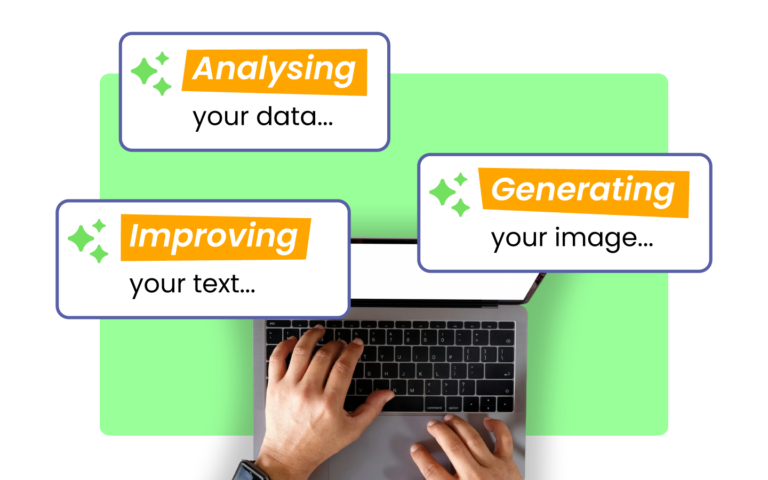
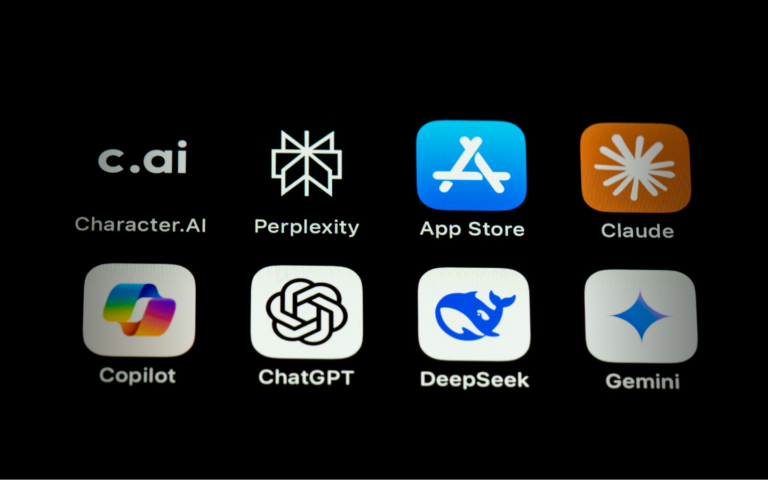
  • Teams using unapproved AI meeting assistants
    Meeting transcription and note-generation tools may process sensitive discussions outside approved governance frameworks.
  • Developers using AI coding assistants
    AI-powered coding tools can access repositories, source code and proprietary development information.
  • Marketing teams using third-party AI platforms
    Content generation tools may receive campaign plans, customer data, or commercially sensitive information.
  • AI-Features embedded within existing software
    Users activating AI capabilities within approved applications without anyone formally reviewing security, compliance, or governance.

Visibility gaps create risk

Data exposure risks | Compliance implications | Access management concerns | Governance effectiveness | AI adoption trends

A collection of various AI apps

Why is Shadow AI is difficult to detect?

The reason most organisations struggle to identify and prevent Shadow AI is that AI adoption rarely follows traditional procurement, governance, or security review processes.

  • AI adoption happens at an individual level
    Employees can use AI tools immediately without involving IT, compliance, security, or any other external teams.
  • AI features are embedded within existing applications
    Many AI capabilities now exist inside software organisations already trust, making them harder to identify through traditional software inventories.
  • Shadow AI doesn’t always look like Shadow IT
    Employees are usually making greater use of tools that already exist and they have access to, as opposed to introducing new technologies to the business.

Most organisations realise that Shadow AI isn’t normally limited to a small group of users, and emerges though tools and platforms employees are already using every day.

Understanding where AI is being used is the first step towards governing it effectively. Book your Shadow AI Health Check →

How to reduce Shadow AI Risk

The Clevr way to combat Shadow AI is to govern AI adoption.

Gain visibility into AI usage

You can’t govern what you can’t see. Gain a clear understanding of how AI is already being used across the business.

Establish clear AI governance

Define acceptable use, accountability, approval processes and ownership.

Provide approved AI solutions

Give employees secure, governed alternatives rather than relying solely on restrictions.

Educate employees

Ensure employees understand both the opportunities and risks associated with AI technologies.

Implemented data protection controls

Apply governance and security controls that reduce the likelihood of inappropriate data exposure.

Monitor AI adoption continuously

AI governance should evolve alongside AI usage and emerging technologies.

Most Shadow AI isn't driven by malicious intent. It's people trying to work more efficiently and do a better job. The challenge is enabling that innovation while also ensuring AI us used safely and responsibly across the business.
Simon du Plessis
Simon du Plessis
IT & Security Director, CloudClevr

How much Shadow AI is already running rampant in your organisation?

While they suspect it exists, organisations often underestimate the scale of Shadow AI their workforce is employing. Our free Shadow AI health check provides a practical view of where AI is being used, where governance gaps exist and which risks should be prioritised first.

What does the health check include?

AI usage discovery

Identify where AI tools are already being used across your organisation, including activity occurring outside approved processes.

Governance assessment

We’ll assess your Microsoft 365 environment and governance approach to identify potential weaknesses, including:

  • Data protection controls
  • Security configurations
  • Access management
  • Compliance readiness
  • AI governance maturity

Prioritised recommendations

Receive guidance on highest-priority risks, immediate actions and long-term AI enablement opportunities.

Take the Shadow AI Health check

Explore more Shadow AI resources
shadow-ai-image

Watch the Shadow AI Webinar

Explore how Shadow AI appears within real-world environments, the risks it creates and the governance strategies organisations are using to respond effectively.

Prove & Protect | CloudClevr

Should you ban AI at work?

Learn why bans on AI adoption often fail and why encouraging responsible AI usage is a the better solution. Unmanaged adoption is the problem, bans don't fix it.

Can you prove your cyber security?

Assess your wider security posture

Shadow AI is often a symptom of broader governance and visibility challenges. Our cybersecurity quiz can help you understand your organisation's security posture.

Shadow AI FAQs

What is Shadow AI?

Shadow AI refers to the use of AI tools, services or AI-powered features within an organisation without the knowledge, approval or governance of the IT team.

Examples can include employees using generative AI tools such as ChatGPT, adopting AI meeting assistants, or enabling AI capabilities within existing software without formal review or oversight.

Is Shadow AI the same as Shadow IT?

Shadow AI is a specific type of Shadow IT.

While Shadow IT covers any technology used without appropriate IT oversight, Shadow AI focuses specifically on AI tools and capabilities. These tools often process, generate or retain business information, which can increase the associated security, compliance and governance risks.

What are common examples of Shadow AI?
Common examples include:
  • Employees using ChatGPT to summarise documents or generate content
  • Teams adopting AI meeting transcription tools without approval
  • Developers using AI coding assistants outside approved processes
  • AI features embedded within existing business applications
  • Employees using personal AI accounts for work-related activities
How can organisations reduce Shadow AI risk?
The most effective approach combines:
  • Visibility into existing AI usage
  • Clear AI governance policies
  • Approved AI solutions
  • Employee education
  • Data protection controls
  • Ongoing monitoring and review
The goal isn’t to stop AI adoption. It’s to enable it safely and responsibly.
Why is Shadow AI difficult to detect?

AI adoption often happens at an individual level rather than through formal procurement processes.

Many AI capabilities are also embedded within software organisations already use and trust, making them harder to identify through traditional software inventories and governance reviews.

Is Shadow AI a Cybersecurity risk?
Yes. When AI tools operate outside established governance frameworks, organisations may face increased risks relating to:
  • Data exposure
  • Unauthorised access
  • Compliance breaches
  • Intellectual property loss
  • Inadequate auditability
The level of risk depends on how the tools are being used and what information they can access.
Does Shadow AI create GDPR and compliance risks?

Potentially. If employees process personal, confidential or regulated data through unauthorised AI platforms, organisations may face challenges relating to GDPR compliance, contractual obligations and industry-specific regulatory requirements.

The key risk is often a lack of visibility into how data is being processed, stored or shared.

How can Microsoft 365 help control Shadow AI?
Microsoft 365 includes several capabilities that can support AI governance and risk management. These include:
  • Microsoft Purview
  • Data Loss Prevention (DLP)
  • Information Protection
  • Sensitivity Labels
  • Microsoft Security and Compliance tools
Together, these capabilities can help organisations improve visibility, protect sensitive information and strengthen governance around AI adoption.
What role does Microsoft Purview play in AI governance?

Microsoft Purview helps organisations identify, classify, label and protect sensitive information. When combined with an AI governance strategy, Purview can help reduce the risk of sensitive data being exposed through AI tools while providing greater visibility into how information is being used.

Can Microsoft Copilot contribute to Shadow AI risks?

Any AI platform can introduce governance considerations if information access, permissions and data protection controls haven't been reviewed appropriately.

Microsoft Copilot isn't inherently Shadow AI. However, organisations should ensure they understand who can access what information and whether governance controls are keeping pace with AI adoption.

Do we need Microsoft Copilot to govern Shadow AI?

No. Shadow AI exists regardless of whether an organisation has formally adopted Microsoft Copilot.

Effective governance should consider all AI tools and services being used across the organisation, including publicly available, third-party and embedded AI solutions.

Should we block AI tools completely?

Usually not. Blocking AI entirely can encourage employees to use personal devices or consumer platforms outside organisational oversight, creating even less visibility.

A more effective approach is typically to combine governance, education and approved alternatives that enable employees to use AI safely.

We don't think we have a Shadow AI problem. Should we still check?

Yes. The absence of known Shadow AI isn't evidence that it doesn't exist.

AI capabilities are increasingly embedded within everyday business applications and are often adopted informally to solve productivity challenges. A structured assessment can provide evidence of how AI is being used and help identify any governance gaps before they become larger risks.

Free Cyber Security assessment

Let's get things started

Fill out the form below and we will be in touch for your free assessment.

To qualify for a free trial of Clevr360, please submit your enquiry using a valid work email address and ensure you are based in the UK. We reserve the right to review, delay, or decline any request at our discretion.

Request an AI Readiness Review -
Powered by Clevr360

Discover how AI-Ready your IT estate is and get clarity across Microsoft 365 and key IT systems so you can adopt AI safely, optimise spend, and boost productivity.

GET A QUOTE

Get a tailored quote for ClevrOffice

ClevrOffice gives you everything your team needs to work — securely, seamlessly, and without the usual IT drama.

DISCOVERY SESSION

Speak to our team

Fill out the form below and account manager will be in touch

BOOK A DEMO

Discover Clevr360

Fill out the form below and we will be in touch with the next steps.